Follow Me On Social Media!
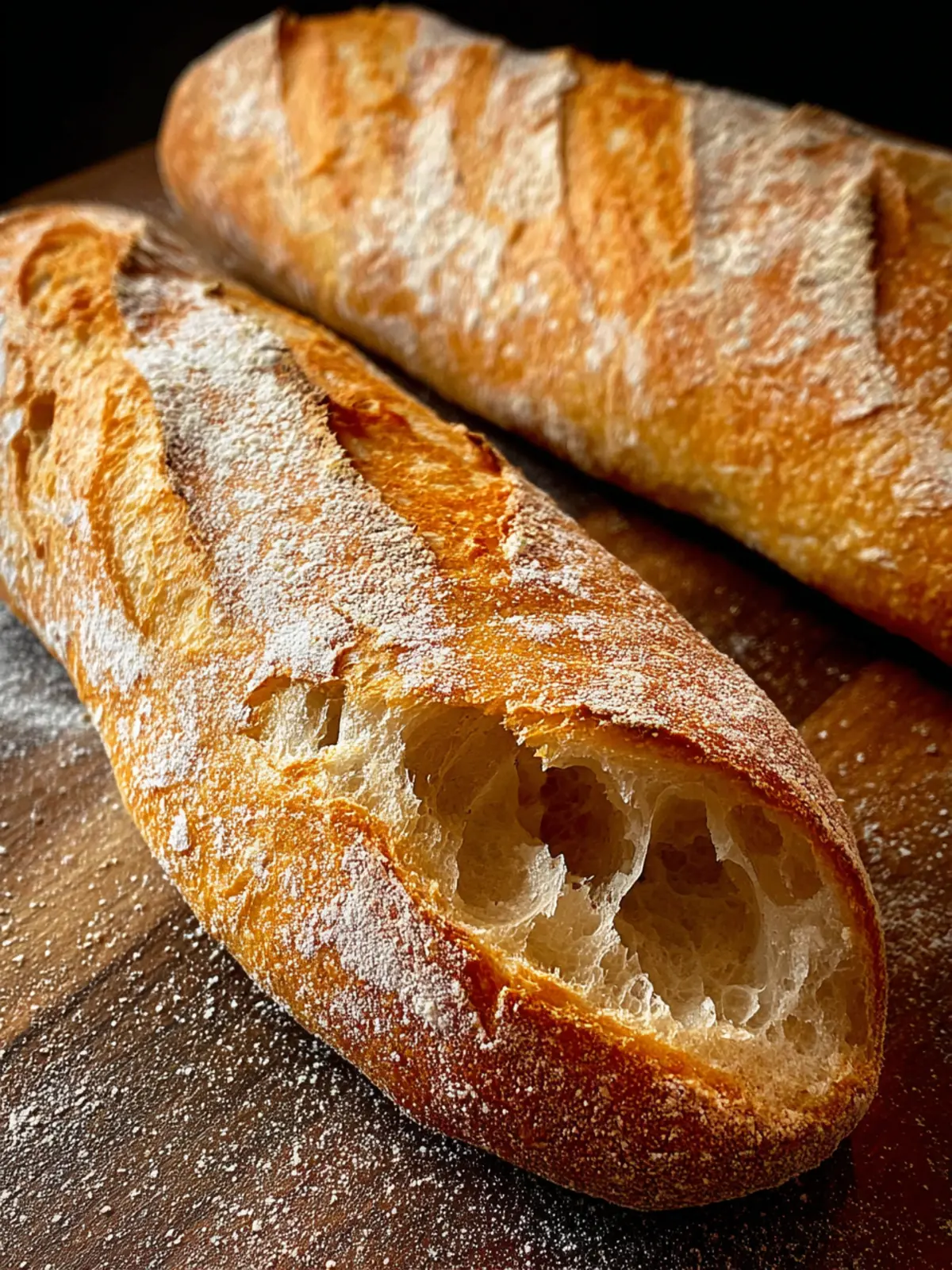
No Knead French Bread: Irresistibly Crispy Baguette Recipe

Introduction to No Knead French Bread (Baguette Recipe)
The delight of pulling a loaf of no knead French bread from the oven is a sensory experience that lingers in your memory long after the last crumb has disappeared. Imagine the enticing fragrance of warm bread enveloping your kitchen, making it feel instantly cozier and inviting. This recipe not only gives you a fantastic loaf but does so with minimal effort—perfect for those bustling days when time is not on your side.
I remember the first time I tasted freshly baked baguette at a quaint café in Paris. The crust was incredibly crisp, encapsulating a soft, airy interior that seemed to melt in the mouth. Armed with a few simple ingredients and a little patience, I felt determined to recreate that very experience right in my own kitchen. The beauty of this no knead method lies in its simplicity—it allows the dough to develop flavor over time rather than through traditional kneading.
While you might be thinking that making baguette sounds daunting, I promise you’ll be pleasantly surprised. The process is straightforward, and the wait only heightens the reward. With only four ingredients—flour, water, yeast, and salt—you can achieve a bakery-style baguette. Yes, you read that right—no fancy equipment or complex techniques are required!
The Magical Aroma of Freshly Baked Bread
As you embark on your French bread journey, the best part is the sensational aroma that fills your home as it bakes. A good loaf doesn’t just taste amazing; it creates a warm, inviting atmosphere. The sound of the crust crackling as it cools is a sweet symphony that beckons everyone to gather around the kitchen, excited to break bread together.
So, roll up your sleeves, and let’s dive into the world of no knead French bread where craft meets simplicity; I assure you, each bite will transport you to that charming café in Paris. Ready to experience the joy of homemade baguettes? Let’s get to the recipe!
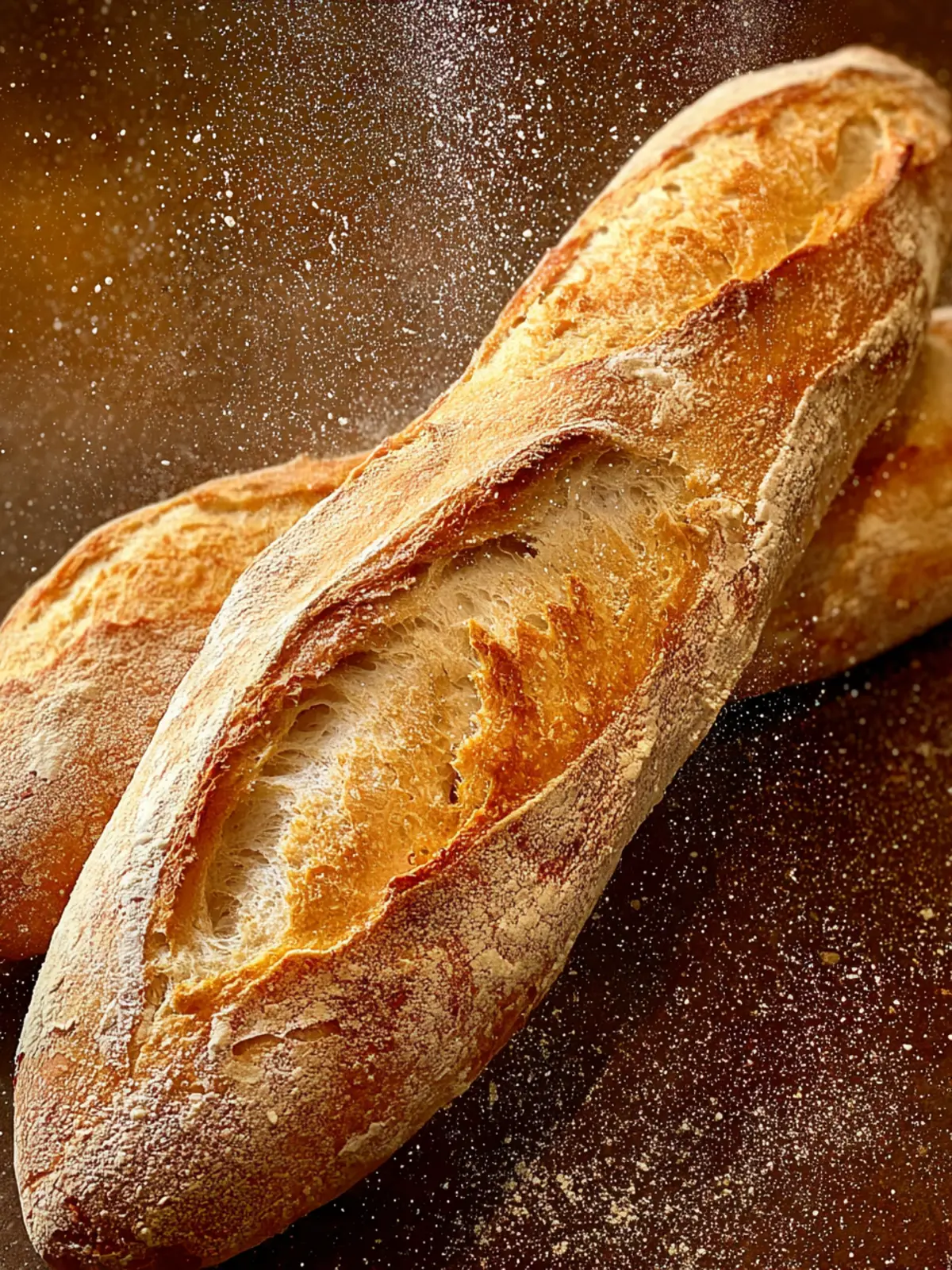
Key Ingredients for No Knead French Bread (Baguette Recipe)
Flour: The backbone of any no knead French bread, all-purpose flour works wonders here. Its moderate protein content gives the dough strength while maintaining that delightful chew. For a more authentic flavor, consider using bread flour which has a bit more protein, enhancing the bread’s structure.
Water: Use lukewarm water to jumpstart the yeast’s action. The right temperature helps create that perfect rise, turning your dough into a bubbly masterpiece.
Salt: Don’t skimp on salt; it enhances the flavor and controls yeast activity. Aim for sea salt for a more complex taste that complements the bread beautifully.
Yeast: Instant yeast is a fantastic option for a no-knead approach. It saves time since it doesn’t need to be activated like active dry yeast; just mix it right into your dry ingredients.
Optional Ingredients: While the core ingredients create a stellar loaf, adding a touch of olive oil can enrich the dough and give it a lovely flavor. If you’re feeling adventurous, toss in herbs or garlic for a twist on tradition.
Why You’ll Love This No Knead French Bread
When you indulge in the warmth and aroma of freshly baked No Knead French Bread wafting through your kitchen, it’s hard not to fall in love. This delightful baguette recipe transforms the way you think about bread making, allowing you to craft delicious loaves with minimal effort.
The Ease of No-Knead Baking
Imagine waking up on a weekend morning, deciding to bake bread without any of the strenuous kneading. That’s the beauty of this recipe!
-
Minimal Time Investment: With just a few ingredients and a little planning, you can let the dough rise independently. You’ll spend less than 10 minutes preparing the dough, freeing you to tackle your weekend plans.
-
Incredible Flavor: Combining simplicity with quality, this method develops complex flavors that typically require hours of traditional kneading and fermentation. Each bite will have that perfect crust and chewy, airy interior that makes a good baguette truly memorable.
-
Foolproof Process: Whether you’re a seasoned baker or trying your hand at bread for the first time, this recipe invites everyone to partake in the joy of baking. No fancy equipment or expertise is required, just a mixing bowl and a bit of patience.
So go ahead, embrace the art of effortless baking with this No Knead French Bread — your taste buds will thank you!
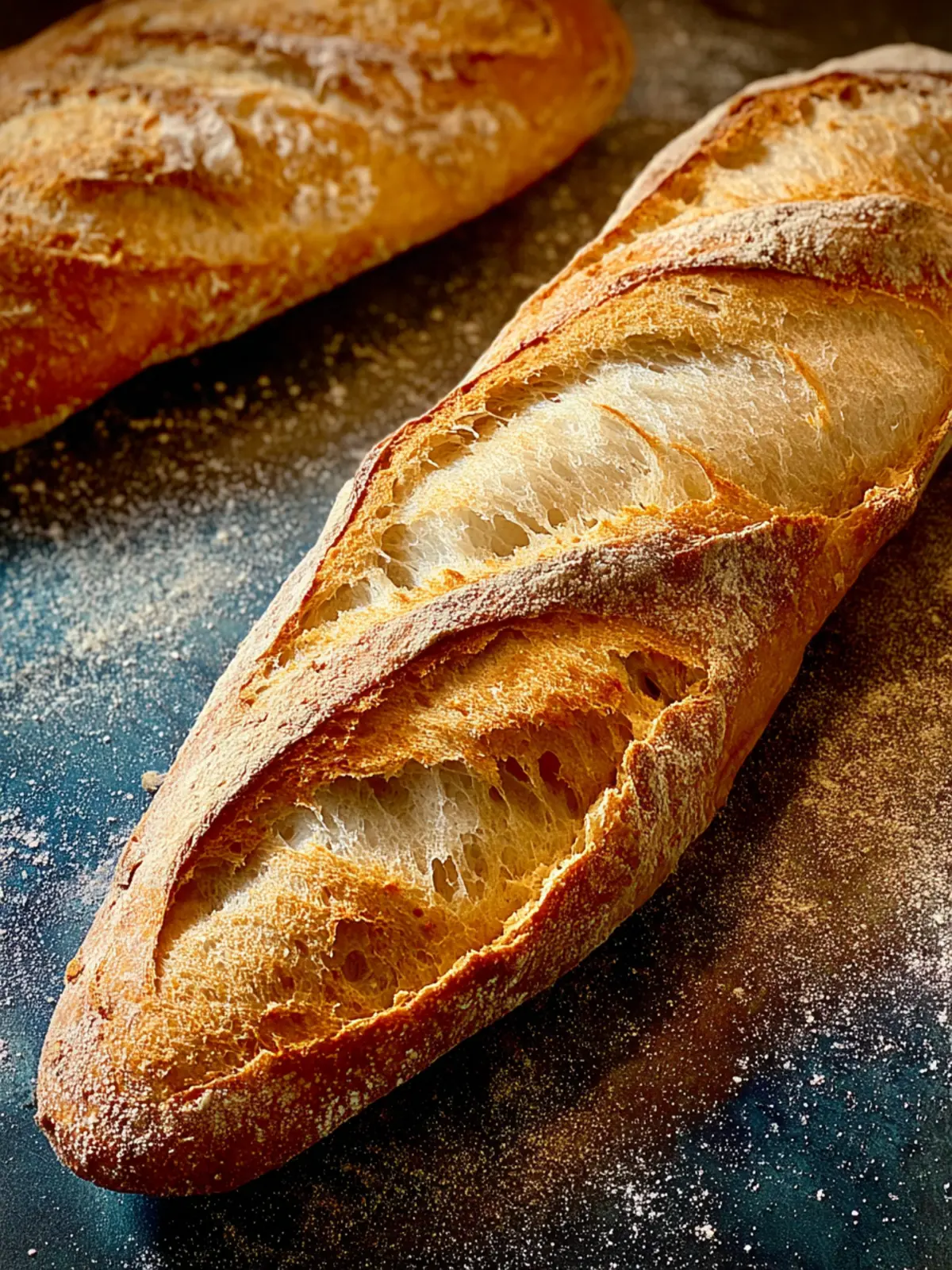
Variations of No Knead French Bread
Experimenting with flavor and shape
One of the most exciting aspects of making no knead French bread is the endless possibilities for customization. Why stick to the classic baguette when you can infuse your bread with unique flavors or shapes?
-
Herbs and Spices: Elevate your bread by adding fresh or dried herbs like rosemary, thyme, or oregano. A sprinkle of garlic powder or crushed red pepper flakes adds a delightful kick.
-
Cheese: Incorporate shredded cheese like Gruyère or cheddar directly into the dough. Not only does it enhance the flavor, but it also creates beautiful gooey pockets as it bakes.
-
Sweet Options: Craving something sweeter? Mix in a handful of raisins, cranberries, or even chopped nuts for a delightful twist. A touch of honey in the dough can also give your bread a sweet touch.
-
Shapes: Don’t limit yourself to traditional loaves! Use the same dough to form rolls, focaccia, or even a braided loaf. Each shape will offer a unique texture and crust, perfect for different occasions.
With these variations, you’ll find that no knead French bread can be anything but ordinary. So, roll up your sleeves and get creative! Who knows, your next loaf could inspire a new family favorite.
Cooking Tips for No Knead French Bread
Creating the perfect no knead French bread is an adventure that transforms your kitchen into a warm, inviting bakery. The ease of preparation allows you to enjoy the delightful aroma of fresh-baked bread without the exhaustive kneading process. Here’s how to elevate your bread game!
Mastering the Perfect Crust and Texture
To achieve that signature crispy crust, it’s crucial to simulate a professional baking environment right in your home. Consider these tips:
-
Use a Dutch Oven: Baking your no knead French bread in a preheated Dutch oven traps steam, helping your loaf develop a beautiful crust.
-
Preheat Thoroughly: Ensure your Dutch oven is scorching hot before sliding in your dough. This step is crucial to ensure a crispy outer layer.
-
Moisture is Key: Before covering your dough, spritz it lightly with water to promote steam generation as it bakes.
-
Shape Matters: When shaping your dough, be gentle! A tight surface can create that irresistible chewy crust without deflating the airy structure inside.
-
Experiment with Time: Every oven varies, so keep an eye on your loaf. Aim for a deep golden brown skin, which usually indicates it’s ready.
Baking bread should be a joyful process, so enjoy the skill-building journey of crafting your own sourdough-like no knead French bread!
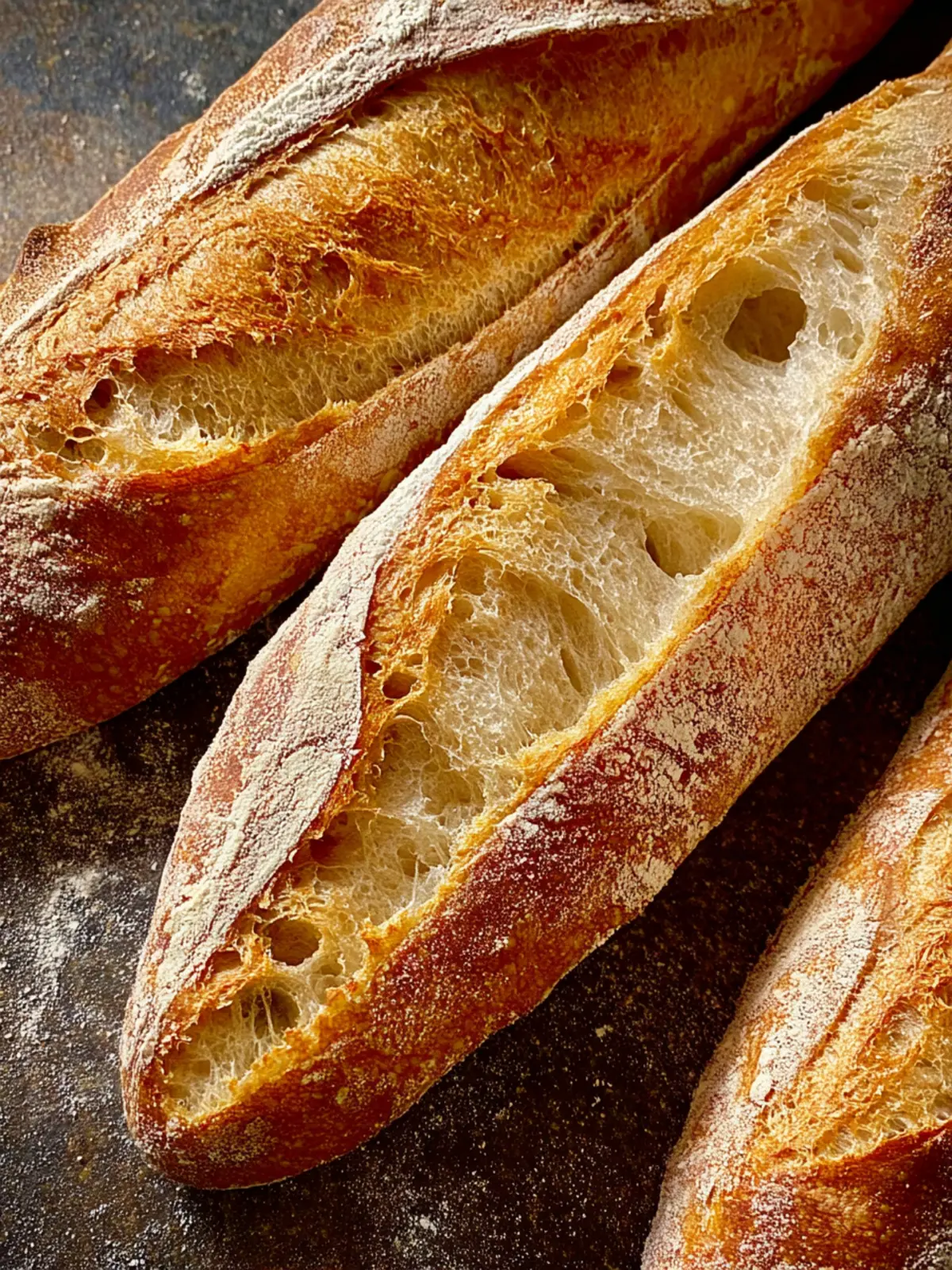
Serving Suggestions for No Knead French Bread
Enjoying fresh baguettes with your favorite pairings
Stepping into a kitchen filled with the aroma of freshly baked no knead French bread is pure bliss. Whether you’re pulling warm baguettes from the oven or just admiring their crispy crust and soft interior, the possibilities for enjoyment are endless.
-
Spread It On: A simple spread of creamy butter or tangy goat cheese elevates your bread experience. For something sweet, try pairing it with honey or a fruity jam.
-
Serve With Soups: Nothing complements a bowl of hearty soup like a slice of crusty baguette. Try dipping it into a rich French onion or a comforting tomato basil soup for a delightful meal.
-
Create a Charcuterie Board: Slice your no knead French bread into rounds and add it to a charcuterie board. Pair with cured meats, cheeses, olives, and chutneys for a fantastic appetizer that impresses guests.
-
Make a Sandwich: Use your baguette to craft an unforgettable sandwich. Layer with fresh veggies, roasted meats, and your choice of sauces for a satisfying lunch.
With these serving ideas, your no knead French bread will shine, adding warmth and flavor to any meal!
Time Breakdown for No Knead French Bread
Creating the perfect no knead French bread is a delightful journey that unfolds in several stages, each requiring a little time and patience. The result is well worth it!
Preparation time
This recipe starts with a straightforward preparation phase that takes about 15 minutes. You simply combine your ingredients and follow the steps.
Rising time
Next, your dough will have its moment to shine, rising for a generous 12 to 18 hours. This long rise develops the deep, rich flavors and the ultra-soft texture characteristic of a perfect French bread.
Baking time
Once risen, it’s time to bake! Set aside around 30 minutes for this stage. Preheating your oven and baking the bread will give you that incredible crust, inviting aroma, and ideal interior crumb.
Total time
In total, you’re looking at about 12 to 18 hours and 45 minutes from start to finish. While much of that time is waiting for the dough to rise, it’s this patience that yields a delectable no knead French bread that your friends and family will love. Enjoy the process!
Nutritional Facts for No Knead French Bread
Creating a beautiful loaf of no knead French bread is not only satisfying, but it also brings a delightful balance of nutrition to your table. It’s a wonderful blend of simple ingredients that you can enjoy, whether you’re having it with butter or as a sandwich base.
Calories
A single serving of no knead French bread contains approximately 130 calories. This makes it a great choice for a light meal or snack that won’t weigh you down.
Carbohydrates
Each slice offers around 26 grams of carbohydrates, providing a good source of energy ideal for busy professionals on the go.
Protein
With about 4 grams of protein per slice, this bread contributes to your daily protein intake, supporting muscle health and overall well-being.
Enjoy making this homemade treasure, knowing it’s a wholesome addition to your diet!
FAQ about No Knead French Bread
When it comes to the world of bread-making, no knead French bread stands out for its simplicity and delightful results. Whether you’re a seasoned baker or just starting your culinary journey, it’s natural to have some questions. Here are the most common queries about crafting your very own baguettes without the fuss.
How long does it take to make baguettes from scratch?
Making no knead French bread is a wonderfully hands-off process. While it may seem like an all-day affair, the actual hands-on time is minimal. Typically, you’ll need about:
- 12-18 hours of resting time for the dough to rise overnight
- 30 minutes for shaping and an additional 30 minutes for the second rise
- Lastly, about 25-30 minutes for baking
In total, you can expect to spend about 13-14 hours, mostly waiting for the dough to do its magic. But don’t worry—you can grab a coffee or binge-watch your favorite series while you wait!
Can I use all-purpose flour instead of bread flour?
Yes, you can! While bread flour gives your no knead French bread a chewier texture due to its higher protein content, all-purpose flour will still yield delicious results. Just keep in mind that your baguette may be slightly softer.
What can I do if my dough doesn’t rise?
If you find your dough hasn’t risen as expected, it could be due to a few factors:
- Old yeast: Make sure your yeast is fresh and active. If it’s been sitting in your pantry for months, it might be time to replace it.
- Temperature: Yeast thrives in warm temperatures, so ensure your dough is in a warm spot to promote rising.
- Moisture: The dough should feel wet and sticky; if it feels too dry, consider adding a bit more water next time.
Remember, patience is key in bread-making! If your dough isn’t perfect this time, don’t be discouraged; every bake is a learning experience.
Conclusion on No Knead French Bread
Embracing Homemade, Delicious Bread
Baking no knead French bread opens up a world of aromatic possibilities right in your kitchen. Imagine pulling freshly baked baguettes from the oven, their crust crackling as you slice into them, releasing a warm, comforting steam. This approachable method allows you to enjoy a bakery-quality loaf with minimal effort. Each bite is a testament to your creativity and patience, transforming simple ingredients into something extraordinary. So, don your apron, embrace the process, and indulge in the joy of making your own bread. After all, there’s nothing quite like sharing warm, crusty baguettes with family and friends, creating delightful memories over homemade goodness.
Print
Homemade Baguettes
- Total Time: 2 hours 45 minutes
- Yield: 2-3 baguettes 1x
- Diet: Vegetarian
Description
A simple recipe for making delicious homemade baguettes.
Ingredients
Scale
- 3 ½ cups bread flour
- 2 teaspoons salt (I use kosher salt)
- 1 teaspoon instant dry yeast
- 1 ⅓ cup slightly warm water (I use tap water)
Instructions
- Put 3 ½ cups bread flour in the bowl of the food processor.
- Add 2 teaspoons salt on one side and 1 teaspoon instant dry yeast on the other, you don’t want them to touch for now.
- Cover with the lid and begin to process at medium/high speed.
- Add 1 ⅓ cup slightly warm water through the feed tube as you begin counting 20 seconds. Either do it out loud or use the phone timer. You’re going to see the dough starts to come together.
- Stop the machine after 20 seconds and see that it is not dry. It should be rough; make sure there are no spots of flour at the bottom. If it is dry, add 1 more tablespoon of tepid water.
- Cover the bowl back and now process for 25 more seconds. It should be 45 seconds in total.
- Transfer the dough to a dry bowl, cover it with plastic wrap, and put it in a warm spot or place for 2 hours. The dough rise will be very little; it will not double as with a classic kneaded dough, and that is fine.
- Dump it onto a lightly floured counter, and divide it into 2 or 3 pieces.
- With each piece, make some rough buns by cupping them with both hands until you have a smooth surface, cover them with a clean kitchen towel or loose piece of plastic wrap, and leave them alone for 20 minutes.
- Flatten each piece of dough on the counter (flour it lightly if needed) and shape them into baguettes. I like to make them shorter and thicker.
- Put them on an oven sheet pan lightly sprinkled with flour, polenta or oatmeal on the bottom, and dust the bread pieces with a bit of flour. Cover with a clean kitchen towel and let stand for 40 minutes.
- About 15 minutes before baking, turn on the oven at 450°F (230°C). Have ready a roasting pan and a kettle of boiling water.
- When the 40 minutes are almost over, put the roasting pan on the bottom rack of the oven and carefully fill it halfway with hot water. Close the oven door quickly. This creates steam that is great for developing oven spring that gives the dough a rapid burst of rise at the beginning, and helps to form a crackly crust.
- Make 3 cuts or slits to each loaf with a lame or a very sharp kitchen knife, and immediately put it in the oven.
- Bake for 25-30 minutes, until golden brown and they sound hollow if you turn them over and lightly tap the bottom with your fingers.
Notes
- Find where to buy a lame online for making cuts.
- Prep Time: 15 minutes
- Cook Time: 30 minutes
- Category: Breads
- Method: Baking
- Cuisine: French
Nutrition
- Serving Size: 1 baguette


![Easy Asian Orange Chicken [+ Video] First Image](https://mealsgrill.com/wp-content/uploads/2026/03/Easy_Asian_Orange_Chicken_Video_First_Image_j8bfwt-768x1024.webp)