Follow Me On Social Media!
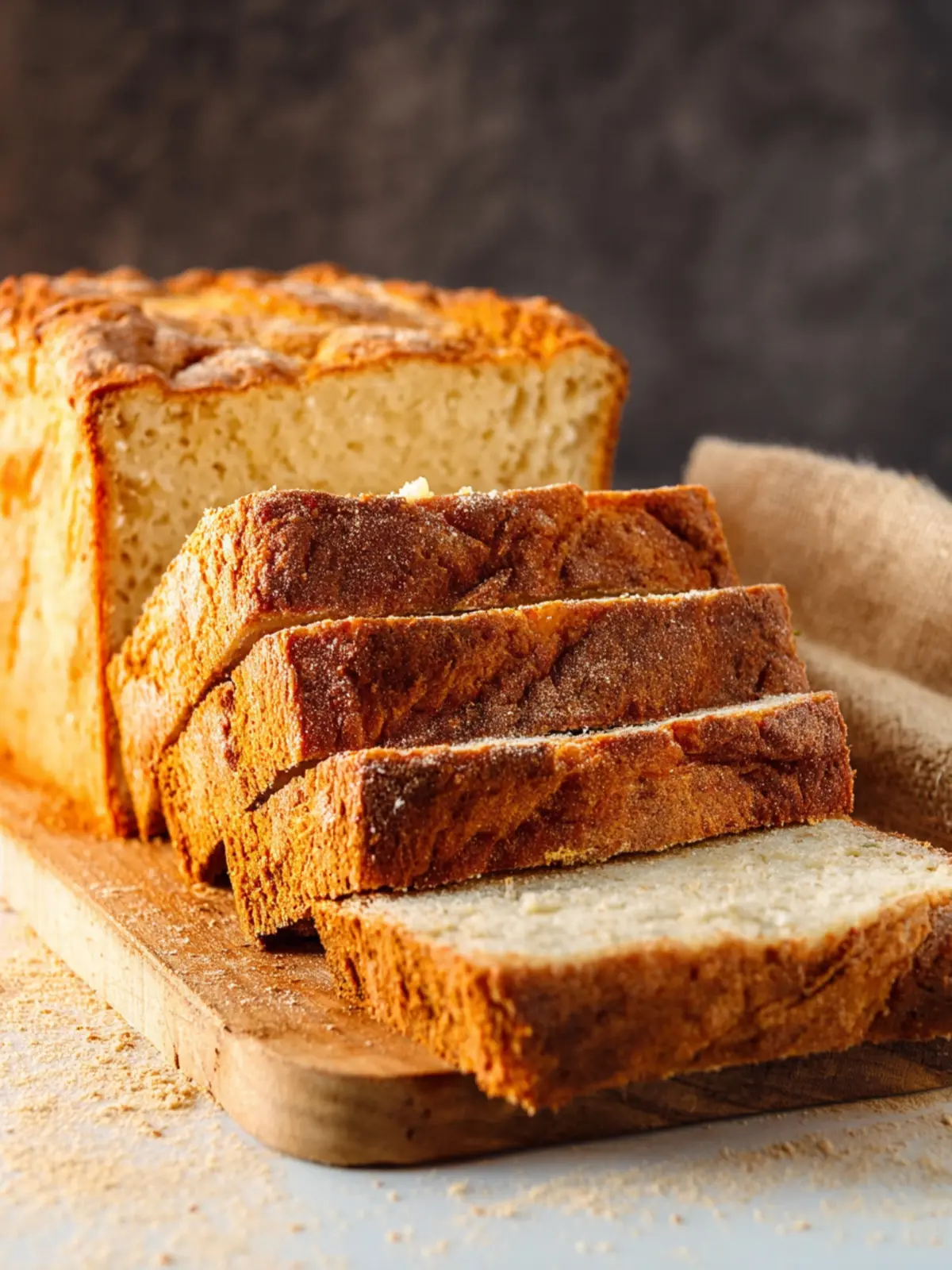
Cassava Bread Bliss: The Easy Way to Homemade Goodness

Introduction to Cassava Bread
Cassava bread is not just another gluten-free alternative; it’s a delightful culmination of history, culture, and nutrition that is capturing the imagination of food lovers everywhere. Originating from the starchy tuber known as cassava, or yuca, this bread has been a staple in various South American, African, and Caribbean cuisines for centuries. Its unique flavor and versatility are making cassava bread a go-to choice for both health-conscious individuals and culinary adventurers alike.
What makes cassava bread so appealing? For starters, it is naturally gluten-free, making it ideal for those with gluten sensitivities or dietary restrictions. Rich in carbohydrates and low in protein, cassava flour boasts a mild flavor that allows it to take center stage in both sweet and savory dishes. You can enjoy it as a flatbread, toast it for breakfast, or use it as a base for various toppings and spreads. Plus, the rise of the gluten-free lifestyle has propelled its popularity in modern kitchens, alongside other superfoods.
As you dive into making your own cassava bread, picture the warm, subtle aromas wafting through your kitchen as it bakes. It’s a product deeply rooted in tradition, yet it adapts beautifully to contemporary culinary needs. Did you know that cassava is one of the most widely consumed root vegetables globally? In fact, it serves as a major food source for over 500 million people. This bread embodies a cultural heritage while also fitting snugly into today’s health-oriented food trend.
Whether you’re embracing a gluten-free lifestyle or simply curious to explore something new, cassava bread offers an exciting journey through flavor and nutrition. So, roll up your sleeves, gather the ingredients, and get ready to embark on a delicious experience that brings a taste of the world right into your kitchen. Enjoy this healthy and tasty bread that promises to delight both your palate and your guests.
What is Cassava Bread and Why is it Gaining Popularity?
The popularity of cassava bread is skyrocketing for several reasons. It’s not just gluten-free; it’s also packed with nutrients and has a simple, natural ingredient list. Its adaptability in recipes means you can enjoy it in various forms—from flatbreads to delicious pastries, making it a favorite for those experimenting with new cuisines.
The growing emphasis on clean eating and wellness is further driving the interest in this nutritious bread. As people seek alternatives to traditional wheat bread, cassava bread emerges as a nourishing and delicious option that doesn’t compromise on flavor. It’s both a celebration of culinary tradition and a contemporary answer to modern dietary needs.
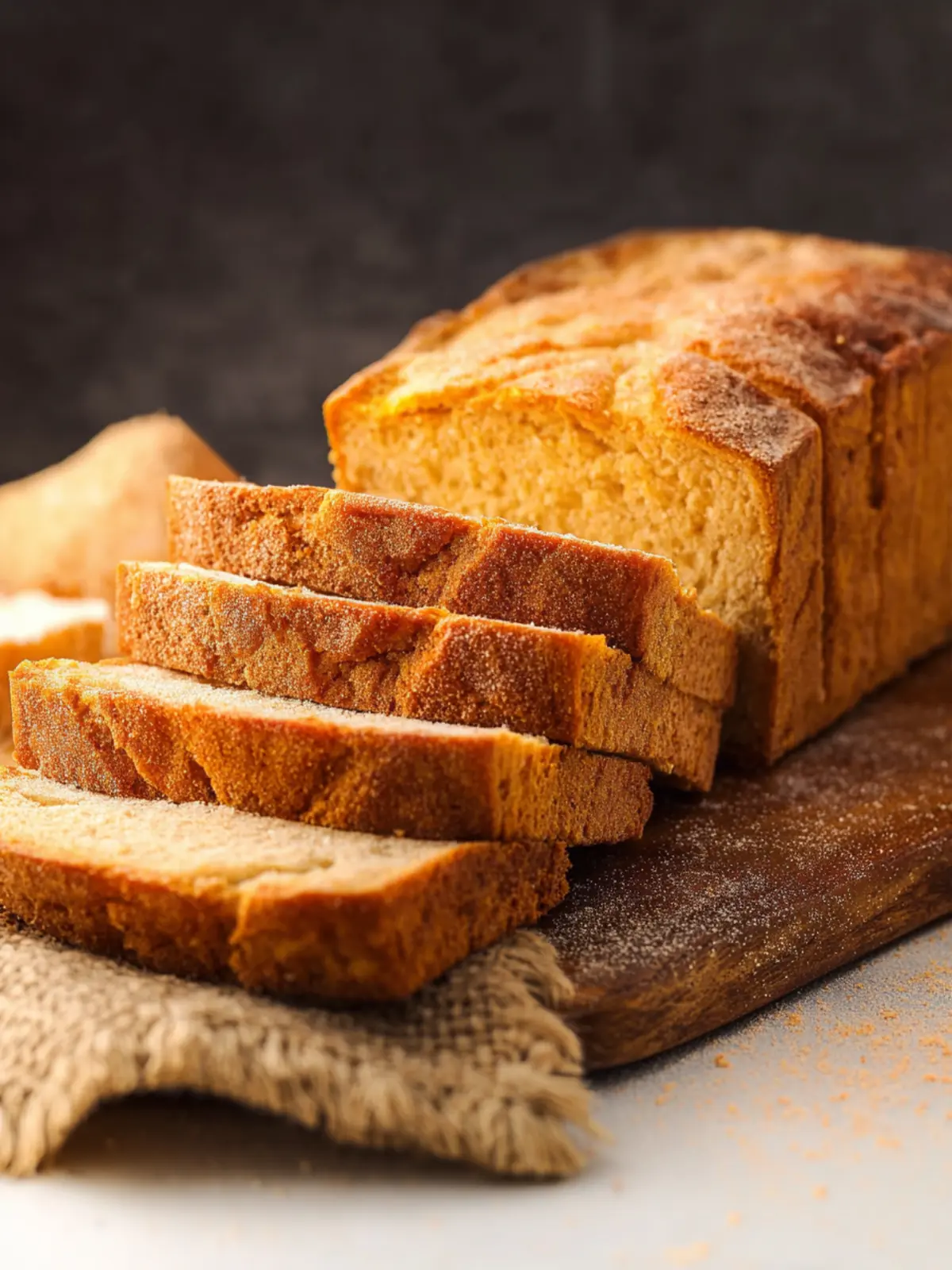
Key Ingredients for Cassava Bread
Creating the perfect cassava bread is all about selecting high-quality ingredients that work harmoniously together. This gluten-free alternative is both delicious and versatile, making it a favorite choice for anyone navigating dietary restrictions or simply exploring new flavors.
-
Cassava Flour: The star of the show, cassava flour, is derived from the root of the cassava plant. It has a light, nutty flavor that is ideal for bread. Unlike other flours, it doesn’t need to be blended with a gluten-based flour, which makes it a wonderful option for gluten-sensitive bakers.
-
Water: Essential for binding the ingredients, water also helps achieve the right dough consistency. It hydrates the cassava flour, giving it that perfect stretchy texture.
-
Salt: While seemingly simple, salt enhances the overall flavor of the cassava bread. It balances the sweetness of any additional ingredients and ensures a well-rounded taste.
-
Oil: A good quality oil, such as olive or coconut, keeps the bread moist and adds richness. It also helps develop a beautiful crust when baked.
-
Eggs: Eggs provide structure and stability to the bread. They create a soft texture, making the final product enjoyable and satisfying to eat.
Embracing these key ingredients will help you create a delicious cassava bread that’s sure to impress your family and friends.
Why You’ll Love This Cassava Bread
Cassava bread offers a unique culinary experience that celebrates flavor and texture in a way that’s hard to replicate with traditional breads. Imagine biting into a warm, slightly chewy slice of bread that’s not only gluten-free but also incredibly versatile—perfect for sandwiches, toast, or on its own with a smear of jam.
One of the reasons you will adore cassava bread is its simplicity. Made from cassava flour, this bread is a great alternative for those who are gluten-sensitive or looking to spice up their carb intake with something more exciting. The natural essence of cassava adds a subtle nutty flavor that’s both satisfying and comforting.
Quick and Easy Preparation
Making cassava bread is a breeze. It requires minimal ingredients and can typically be prepared in just under an hour. Imagine coming home after a busy day and whipping up a fresh loaf to enjoy with dinner.
Nutritional Benefits
Additionally, cassava is rich in carbohydrates and provides energy, making it a great source for those leading an active lifestyle. Unlike many store-bought gluten-free breads that can be filled with additives, this homemade version keeps things clean and wholesome.
In essence, whether you’re dining solo or entertaining guests, cassava bread elevates your meal with ease and flavor. It’s a must-try for anyone looking to explore new tastes in their culinary journey.
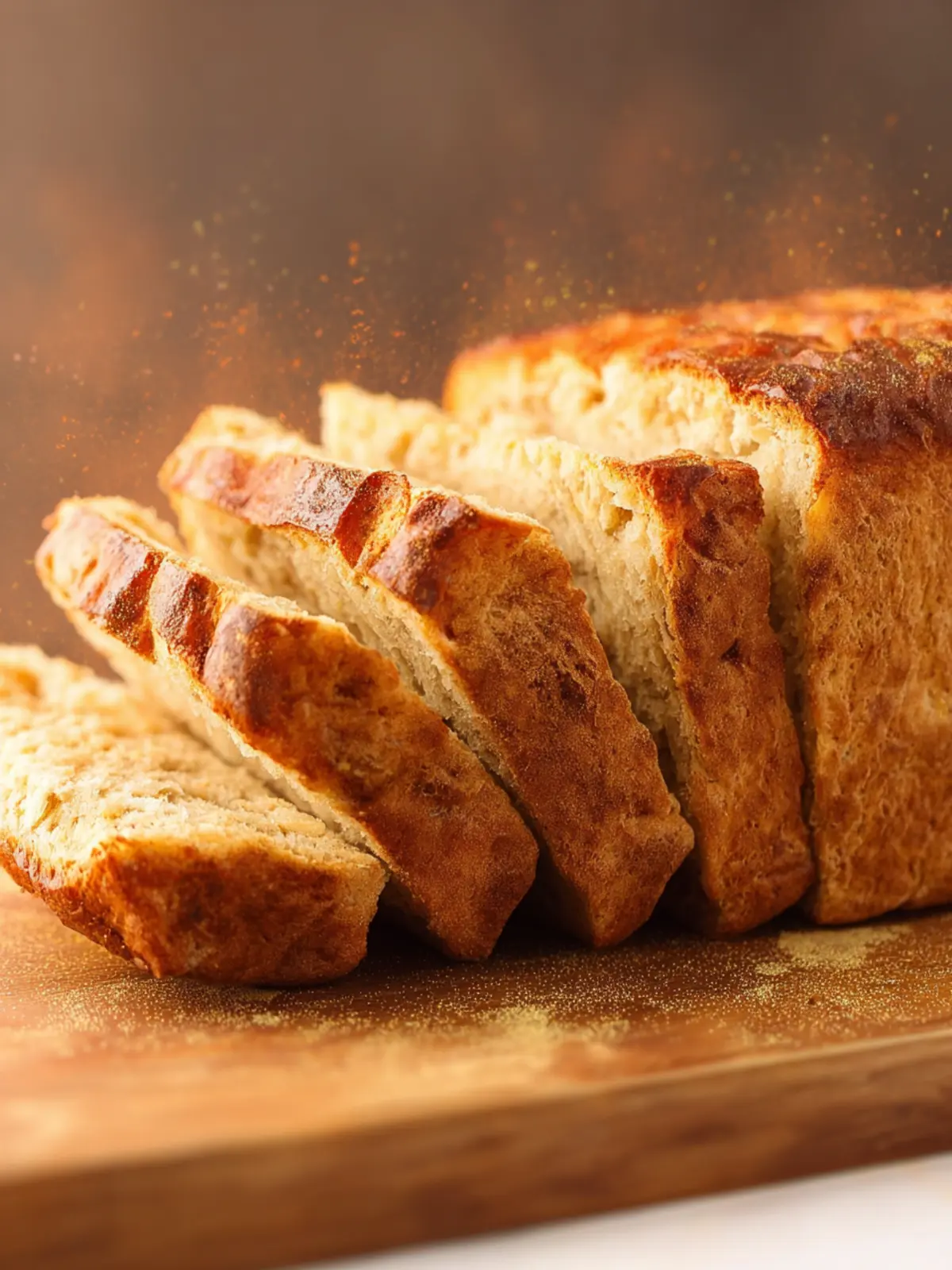
Variations on Cassava Bread
Cassava bread is a versatile staple that can be easily adapted to suit diverse tastes and dietary needs. Originating from South America, this gluten-free bread has gained popularity worldwide, and with a few creative tweaks, it can be transformed into something truly unique.
Flavor Infusions
Adding ingredients can take your cassava bread to the next level. Consider folding in:
- Herbs and Spices: Fresh rosemary or thyme can give a delightful savory twist. If you’re a fan of heat, a pinch of cayenne or chili powder adds an exciting kick.
- Cheese: Incorporating grated cheese such as cheddar or parmesan will add richness and a wonderful depth of flavor.
Sweet Twists
On the sweeter side, you can experiment with:
- Coconut: Flaked coconut, whether sweetened or unsweetened, can create a tropical flair that beautifully complements the texture of cassava bread.
- Honey or Maple Syrup: A drizzle of these natural sweeteners mixed into the batter will add a hint of sweetness perfect for breakfast or a snack.
Seasonal Variations
Adapting your cassava bread recipe to include seasonal produce can enhance flavor and nutrition:
- Pumpkin or Sweet Potato: Mixing in pureed pumpkin or mashed sweet potato not only adds sweetness but also contributes a lovely color and texture.
- Zucchini: Grated zucchini can keep the bread moist while adding subtle flavor, an excellent choice during zucchini season.
These variations invite everyone to discover their favorite rendition of cassava bread, making it a delightful addition to any meal.
Cooking Tips and Notes for Cassava Bread
Making cassava bread is not just about following a recipe; it’s an experience that transports you into the heart of tradition. The unique texture and flavor of this bread come from using the right techniques, so here are some tips to elevate your cassava bread journey.
Choosing the Right Cassava
The quality of cassava root plays a crucial role in your bread’s success. Look for cassava that is firm, smooth, and free of blemishes. If you can find it, fresh cassava is highly recommended, but frozen grated cassava is a convenient alternative. Remember to thaw it completely before using to ensure even mixing.
Proper Measuring Techniques
In baking, accurate measurements are essential. When measuring cassava flour or grated cassava, use a scale if possible for the best results. Level off your measuring cup without packing it down to avoid dense bread.
Mixing for the Perfect Dough
When combining your ingredients, don’t rush! Mix until just combined to achieve a light, airy texture. Overmixing can result in a tough bread. If you notice dough sticking to your hands, a light dusting of cassava flour can help with that.
Baking to Perfection
Always preheat your oven. This ensures that your cassava bread rises properly and has a golden crust. Consider placing a pan of water in the oven to create steam, which can help your bread stay moist.
By keeping these tips close at hand, you’ll not only bake a beautiful cassava bread but also fully enjoy the process. Happy baking!
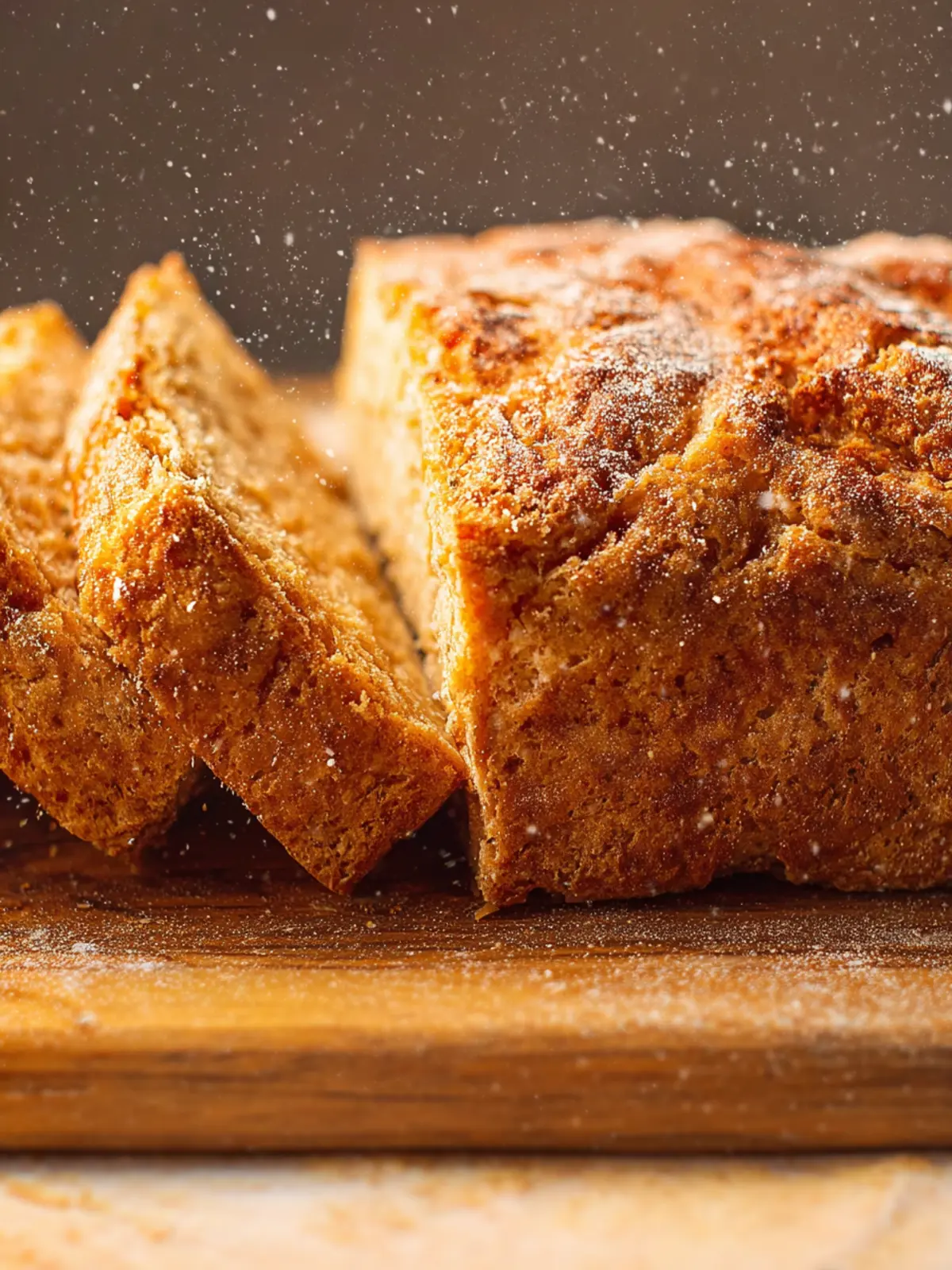
Serving Suggestions for Cassava Bread
There’s something uniquely delightful about cassava bread. This gluten-free alternative has a subtle nuttiness and a wonderful texture that makes it an excellent companion for many dishes. Whether you’re enjoying a hearty meal or a light snack, there are countless ways to serve this delicious bread.
Great Pairings for Your Cassava Bread
-
Spreadable Goodness: A dollop of hummus or avocado spread turns cassava bread into a satisfying snack. The creamy textures are a perfect contrast to the bread’s chewiness.
-
Perfect for Dipping: Use your cassava bread as a dipper for salsas or guacamole. Its sturdy nature holds up nicely, making it a fun addition to any party platter.
-
Hearty Sandwich Base: Transform your cassava bread into a sandwich. Try layering roasted vegetables, deli meats, or grilled chicken with fresh greens and a zesty sauce. The bread’s unique flavor will elevate the entire meal.
Breakfast Bonanza
-
Toast It Up: Serve toasted cassava bread with a touch of butter or your favorite jam for a delightful breakfast. Imagine starting your day with a warm piece of bread that gives you energy!
-
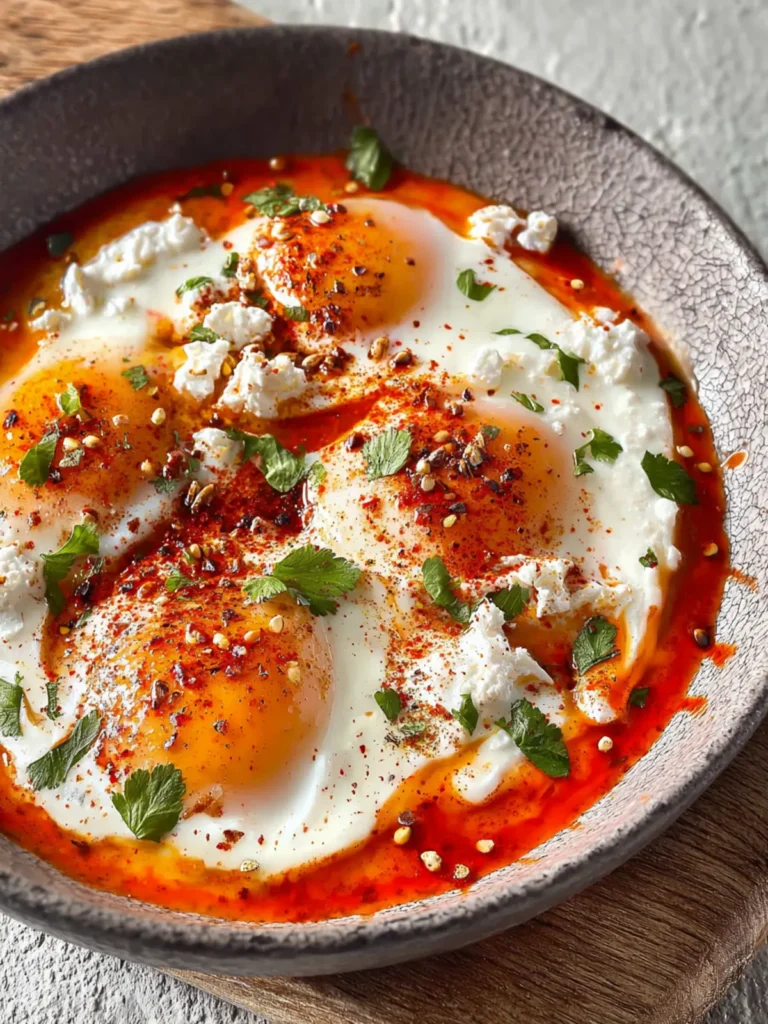
Eggs and Cassava: Pair cassava bread with eggs any style—scrambled, poached, or sunny-side up for a wholesome brunch. The combination of flavors will excite your taste buds.
By exploring these serving suggestions, you can showcase the versatility of cassava bread while enjoying its delightful taste and texture.
Time Breakdown for Cassava Bread
Creating the perfect cassava bread is not only enjoyable but also an efficient way to spend your time in the kitchen. Here’s a quick look at the time you’ll need to make this delightful treat.
Preparation Time
In just about 15 minutes, you can gather all your ingredients and mix them together. This step is crucial, as it sets the foundation for your cassava bread.
Baking Time
Once your dough is ready, pop it in the oven for approximately 30 minutes. You’ll want it golden brown, with that irresistible aroma filling your kitchen.
Total Time
All in all, you’re looking at a total of 45 minutes from start to finish. A small investment for a delicious homemade cassava bread that you’ll be proud to share!
Nutritional Facts for Cassava Bread
Understanding the nutritional facts for cassava bread can help you appreciate both its health benefits and flavor profile. This naturally gluten-free option is not just versatile; it’s also packed with nutrients that support a balanced diet.
Calories
A serving of cassava bread typically ranges from 100 to 150 calories. This makes it an excellent choice for those looking to enjoy a tasty alternative without the heaviness of traditional bread.
Protein
Cassava bread contains about 1-2 grams of protein per serving. While it may not be a protein powerhouse, it serves as a great base for protein-rich toppings like nut butter or eggs, enhancing your meal.
Fiber
With around 3 grams of fiber per slice, cassava bread supports digestive health, helping to keep you feeling full and satisfied longer. Enjoy it as part of a balanced meal that includes a variety of fruits and vegetables to maximize nutritional benefits.
FAQ about Cassava Bread
Exploring the world of cassava bread opens up a delicious avenue into gluten-free baking that begs to be shared. Understanding the ins and outs of this unique recipe can take your culinary skills to the next level. Let’s dive into some frequently asked questions to help you create the perfect loaf.
Can I make this recipe vegan?
Absolutely! The beauty of cassava bread lies in its versatility. To make it vegan, simply replace any eggs or dairy products with plant-based alternatives. For example, you can use unsweetened applesauce or flax eggs (mix 1 tablespoon of ground flaxseed with 2.5 tablespoons of water) as an egg substitute. If your recipe calls for butter, opt for coconut oil or a vegan butter substitute instead. You’ll still end up with an incredibly tasty bread!
What can I substitute for tapioca flour?
If you’re in a pinch and don’t have tapioca flour, there are several alternatives you can consider. You can use arrowroot powder or sweet potato flour as suitable substitutes. Both options have similar thickening properties and can help you achieve that delightful chewy texture you’re looking for in cassava bread. Just keep in mind that the flavor may vary slightly, but the end result will still be satisfying.
How do I store leftover cassava bread?
To keep your cassava bread fresh, store it at room temperature in an airtight container for up to 3 days. If you anticipate keeping it longer, consider freezing it. Wrap it tightly in plastic wrap and then place it in a freezer bag. It can last for up to 2 months in the freezer. When you’re ready to enjoy it again, simply let it thaw at room temperature or pop it in the toaster for a quick warm-up!
Conclusion on Cassava Bread
Embracing the world of cassava bread opens up a realm of culinary possibilities that blend tradition with creativity. Whether you’re gluten-free or simply seeking a unique bread alternative, this recipe stands out for its delightful texture and flavor. Made from just a few simple ingredients, it’s perfect for sandwiches, toasts, or enjoying alongside your favorite meals. Plus, preparing it at home allows you to customize flavors and textures to suit your palate. So, gather your ingredients and step into the kitchen—your taste buds are in for a treat with this delicious, nutritious option!
Print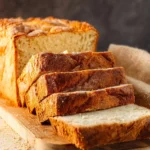
Cassava Flour Bread
- Total Time: 50 minutes
- Yield: 1 loaf 1x
- Diet: Gluten-Free
Description
A delicious and gluten-free bread made with cassava flour, perfect for sandwiches or to enjoy on its own!
Ingredients
Scale
- 1 ½ cups cassava flour
- 1/3 cup tapioca flour
- 2 teaspoons baking powder
- 1 teaspoon baking soda
- ¾ teaspoons kosher salt
- 3 large eggs
- ½ cup buttermilk
- 1/3 cup Greek yogurt
- 2 tablespoons olive oil
- 1 ½ tablespoons honey
Instructions
- Preheat the oven to 350°F (177°C) and line a 4×8 or 5×9 loaf pan with parchment paper.
- In a medium bowl, whisk together the cassava flour, tapioca flour, baking powder, baking soda and salt.
- In a large measuring cup, whisk together the eggs, buttermilk, Greek yogurt, oil and honey, until well combined.
- Pour the egg mixture into the dry flour mixture and stir until well combined and no pockets of flour remain. Make sure not to overmix as it can mess with the rise.
- Evenly spread the batter into the prepared pan.
- Bake for 35-40 minutes. Keep an eye on the center when baking. The top can look done before the middle is fully cooked. I always use the toothpick test—when it comes out clean from the center, you’re good to go.
- Let the bread cool in the pan for about 10 to 15 minutes, then transfer it to a rack to finish cooling.
Notes
- This bread is versatile and can be enjoyed plain or with spreads.
- Substitute Greek yogurt with sour cream if desired.
- Prep Time: 10 minutes
- Cook Time: 40 minutes
- Category: Bread
- Method: Baking
- Cuisine: American
Nutrition
- Serving Size: 1 slice
- Calories: 150
- Sugar: 5g
- Sodium: 200mg
- Fat: 7g
- Saturated Fat: 1g
- Unsaturated Fat: 6g
- Trans Fat: 0g
- Carbohydrates: 18g
- Fiber: 2g
- Protein: 4g
- Cholesterol: 50mg